Main Services
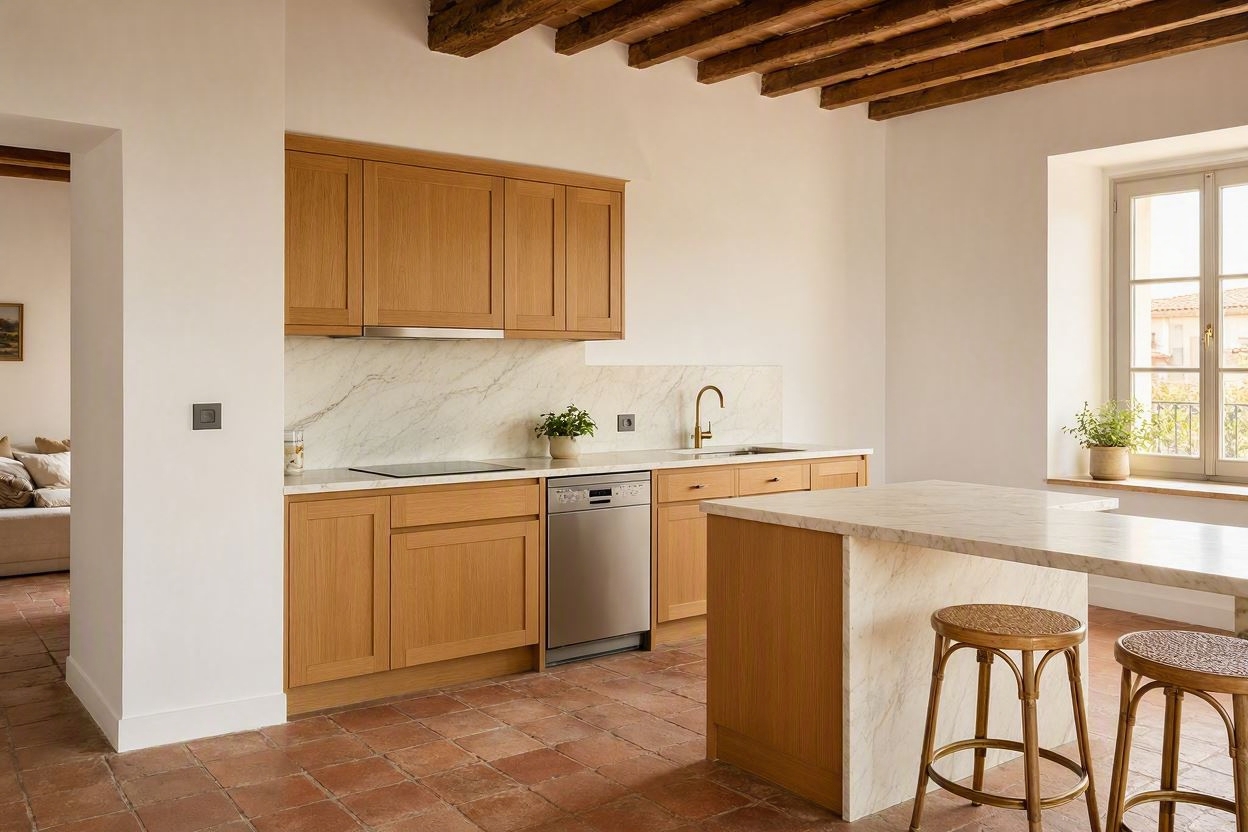
- Independent apartments with equipped kitchen
- Washing machine, dryer and iron
- High-speed fibre-optic Wi-Fi
- Smart TV and smart climate control
- Digital safe and security lockers
Development project · Sicilian Tyrrhenian Coast
Smart hospitality, without intermediaries
7 independent apartments in a recovered historic building · Self check-in 24/7
4 Two-Room · 3 Three-Room · Architectural recovery
1 · Executive Summary
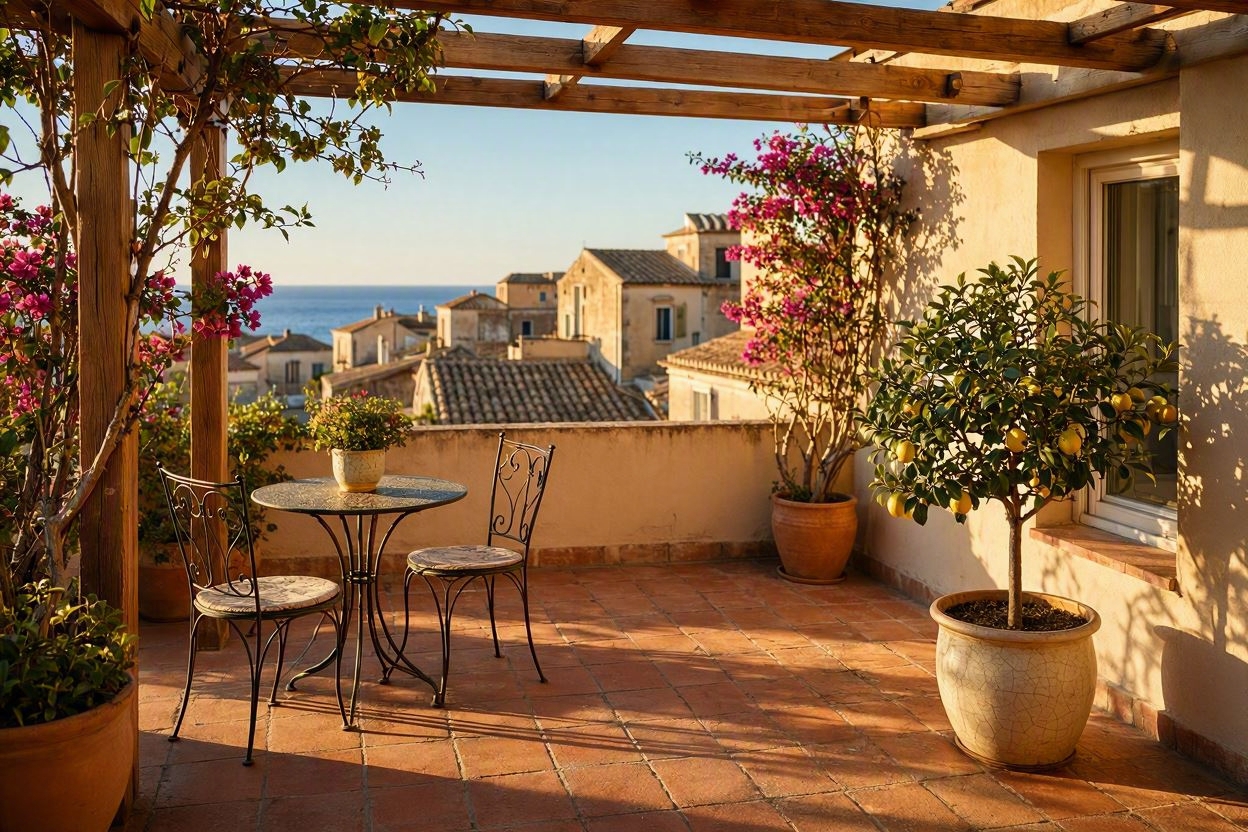
The project involves the recovery of an existing historic building on the Sicilian Tyrrhenian coast, from which 7 independent apartments will be created — 4 two-room and 3 three-room units — with fully autonomous self check-in and check-out via terminal, in compliance with current regulations.
An architectural regeneration project that brings new life to a historically valuable property, preserving its material and volumetric identity, and projects it into the future with a technological, flexible and disintermediated hospitality model.
"Not a new building, but a rediscovered one: technology at the service of history, hospitality at the service of the guest."
2 · Market Analysis
In Sicily, the non-hotel accommodation sector accounts for over 70% of total accommodation capacity, with demand increasingly oriented towards autonomy, flexibility and digital services. The residence intercepts this trend with a hybrid model between tourist rental and hotel hospitality.
Couples and families seeking autonomy and independent spaces; smart workers and digital nomads looking for medium-term stays; groups of friends and small teams travelling together.
Professionals who require high connectivity, a fully equipped kitchen, work spaces and flexible check-in even at unconventional times.
Families and small groups who prefer spacious three-room units, laundry facilities, a full kitchen and flexible services over traditional hotel rooms.
Growth of experiential tourism, demand for autonomy, expectation of fully digital processes, and growing interest in the recovery of historic buildings as a form of conscious tourism.
Upper-middle segment of the non-hotel market, with premium positioning thanks to technology, services, quality standards and the historic value of the building.
The recent regional reform has simplified procedures for non-hotel accommodation facilities, encouraging investment in innovative accommodation models, including building recovery projects.
3 · Concept & Services
Essential services, independent spaces within a building of unique character, and a technological infrastructure that removes the friction of traditional hospitality.
4 · The Historic Building
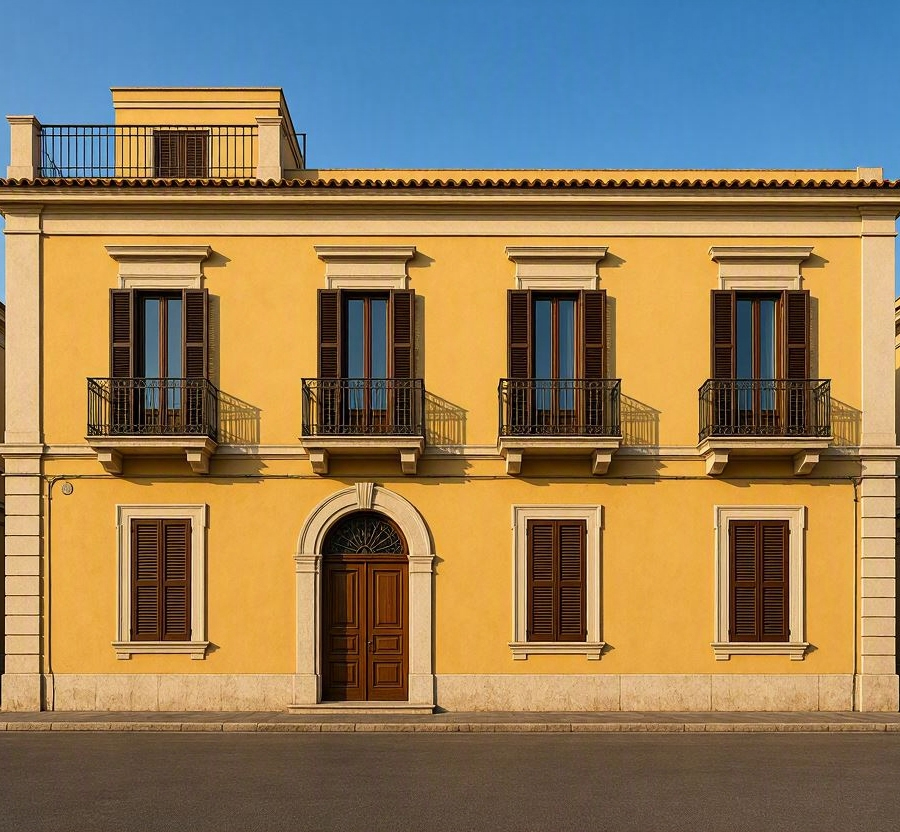
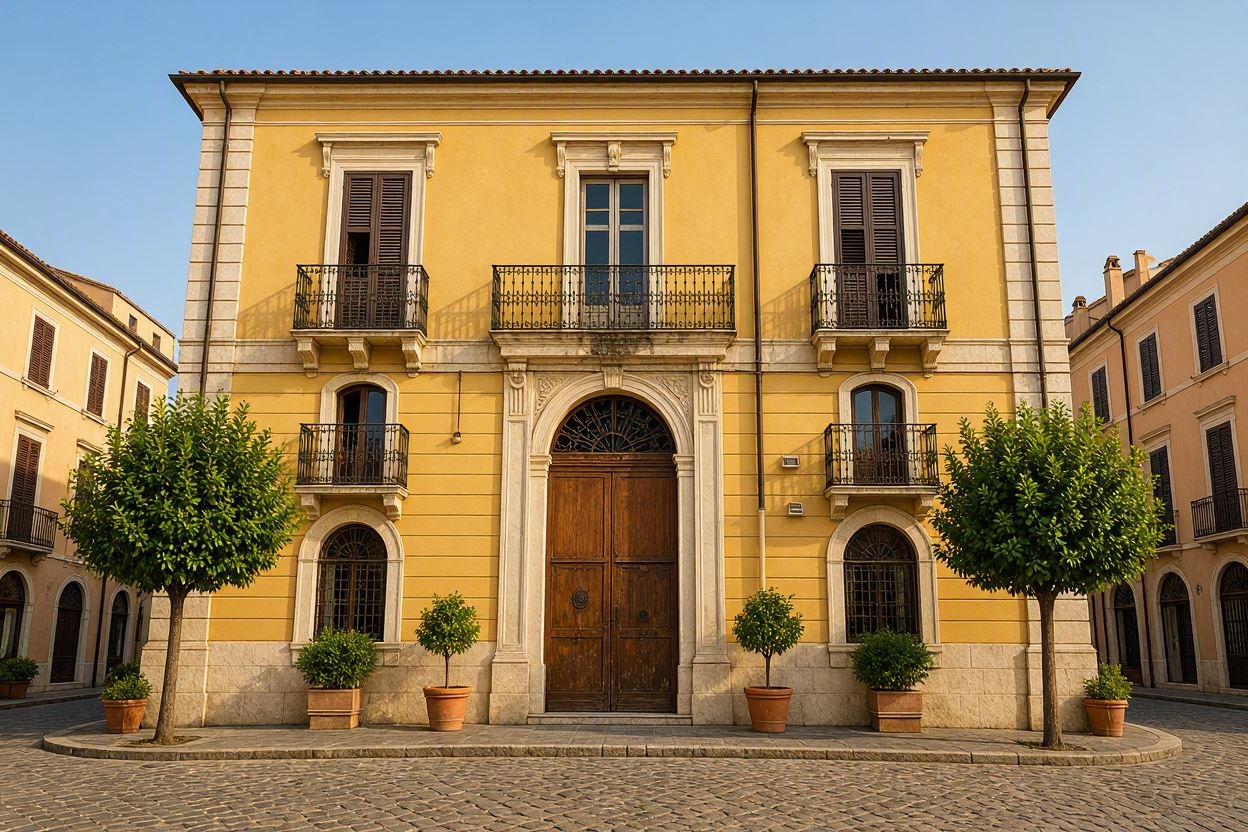
The apartments do not arise from new construction, but from the recovery of an existing historic building on the Sicilian Tyrrhenian coast. An architectural regeneration project that preserves the identity of the property and reinterprets it in a contemporary key.
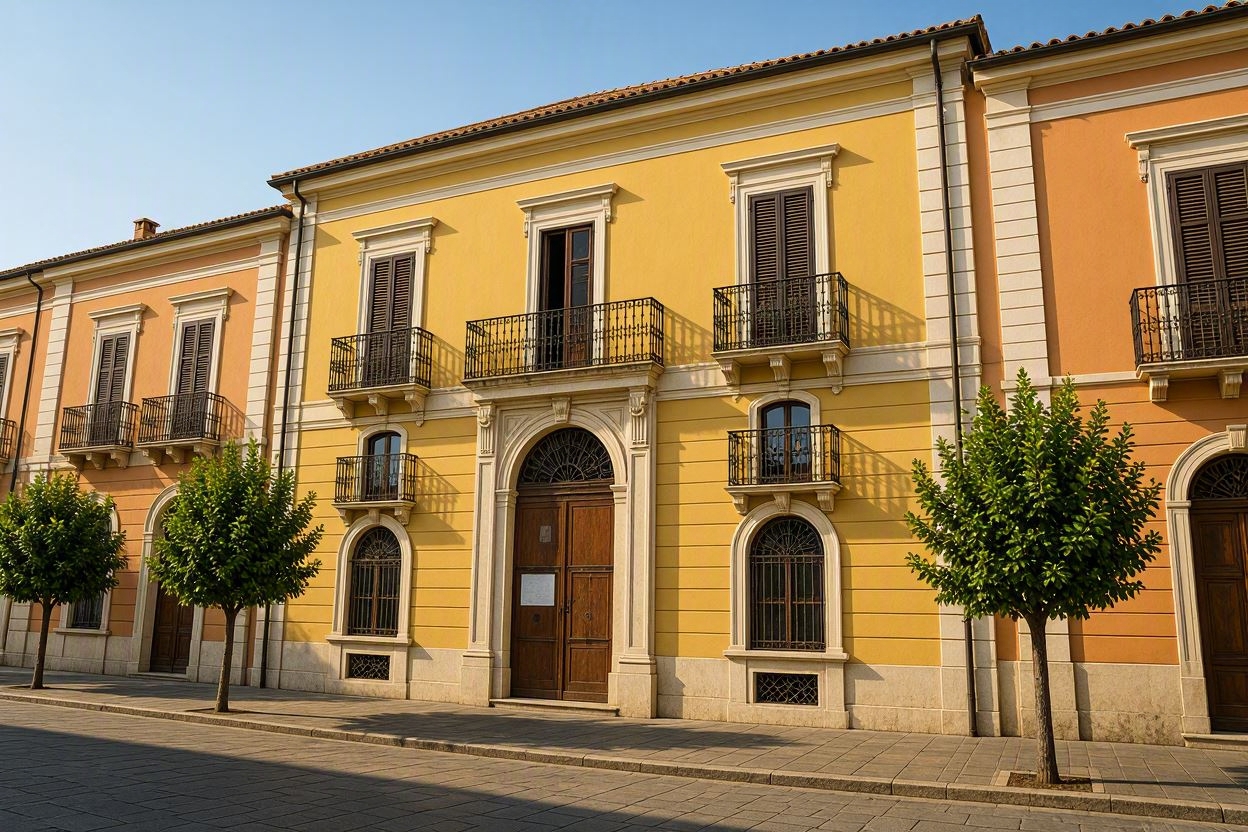
The recovery project is founded on a clear principle: preserve what tells the story of the building, reinterpret what can be improved, innovate what modern hospitality requires.
Intervention carried out in agreement with the competent Superintendency, respecting landscape and architectural constraints and obtaining all necessary authorisations.
Use of materials consistent with the original building and conservative restoration techniques, integrated with modern technical solutions for efficiency and comfort.
Thermal insulation, high-performance window frames, efficient systems and integration of renewable sources, in balance with architectural constraints.
The history of the building becomes an integral part of the guest experience, through content, furnishings and materials that narrate its origins.
5 · Technology and Self Check-in
The innovative heart of the residence is its autonomous check-in and check-out system, designed to offer a smooth experience compliant with Italian regulations on guest identification — even within a historic building.
After booking, the guest receives a link for online check-in. They upload their ID documents and complete their personal details from their smartphone.
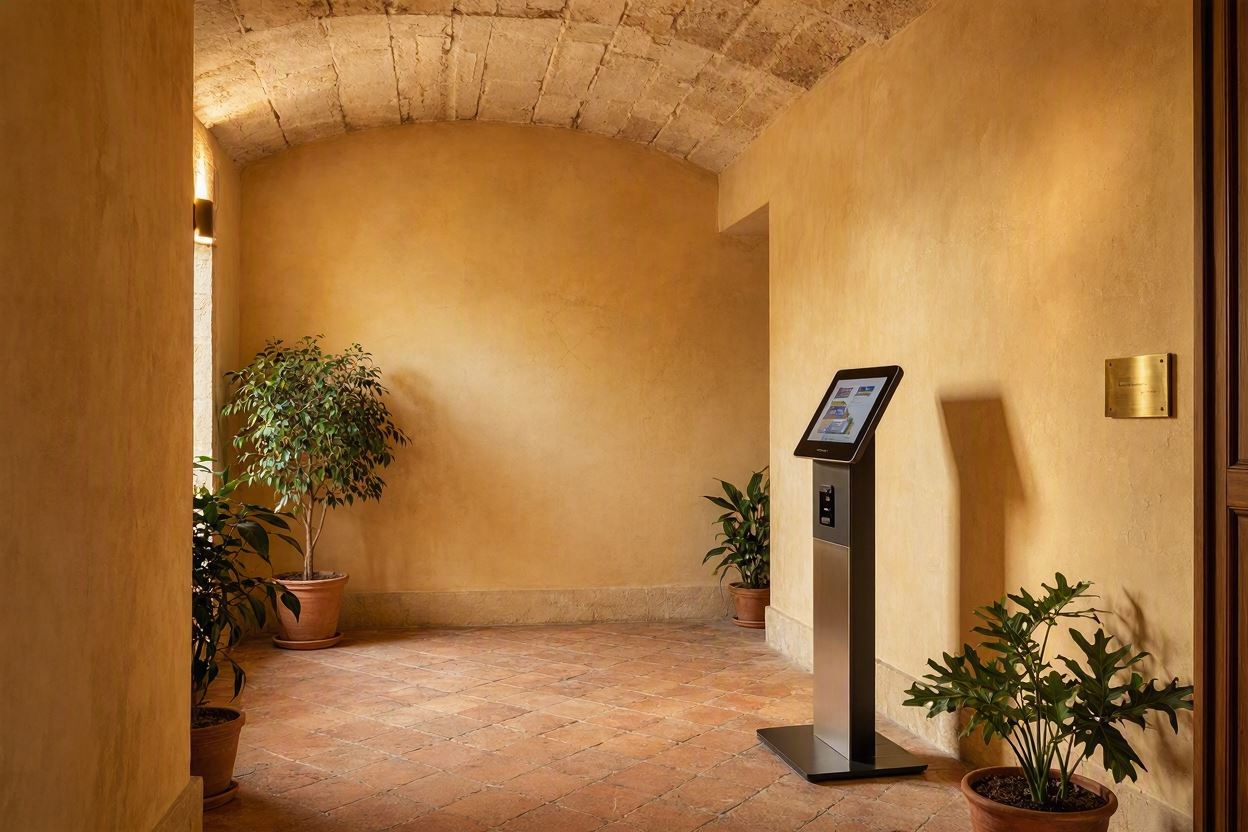
The guest goes to the self-service terminal located in the building's entrance area. No waiting, no fixed operator, no time constraints.
The terminal performs biometric face-to-document comparison and, if necessary, initiates a video call with a remote operator for the "de visu" verification required by current regulations.
The guest receives a temporary PIN for the electronic lock of their apartment, valid exclusively for the duration of the stay.
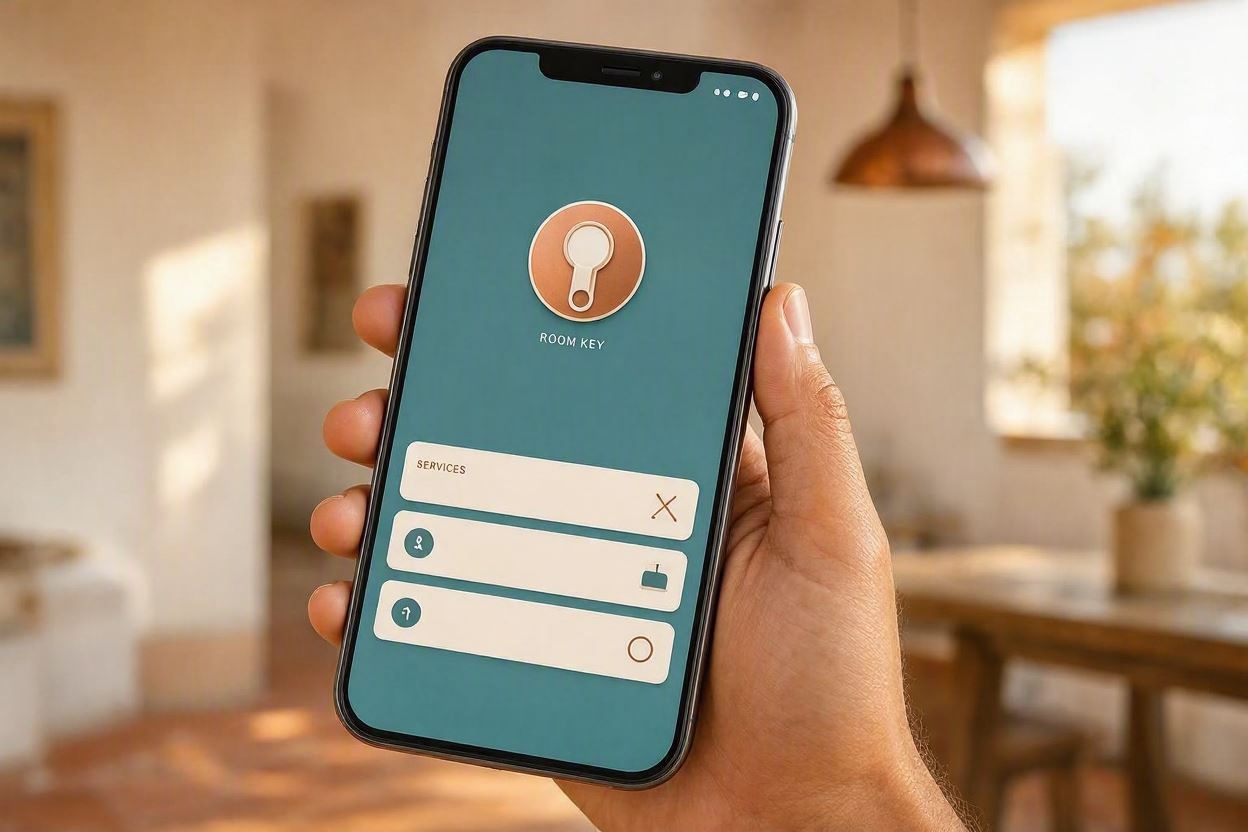
Through the dedicated app, the guest can request extra services, communicate with the digital concierge, consult local guides and manage the unit's climate control.
Departure is autonomous: the PIN is deactivated automatically at check-out, the invoice is issued digitally and feedback is collected via email.
6 · Apartment Units
Seven independent apartments created within the historic building, designed to meet the different needs of guests: couples, families, smart workers and small groups.
Type A
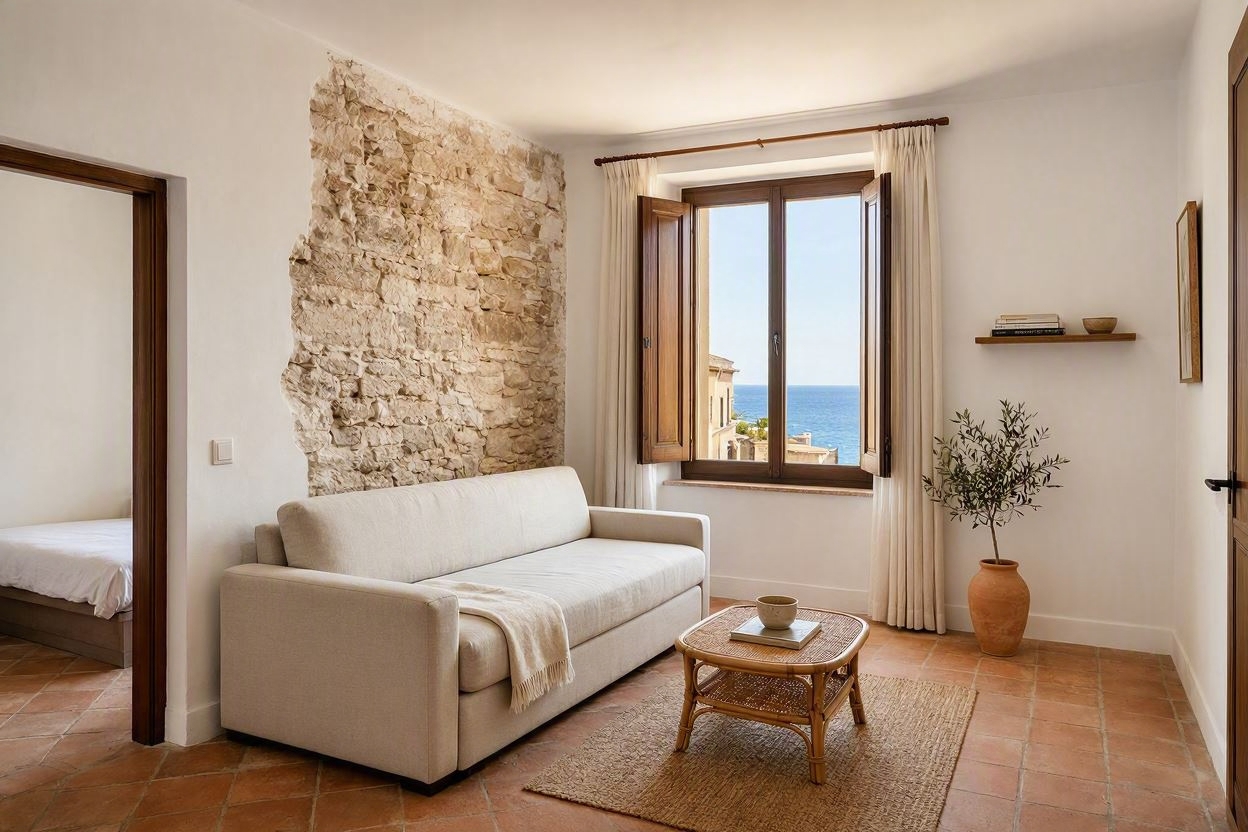
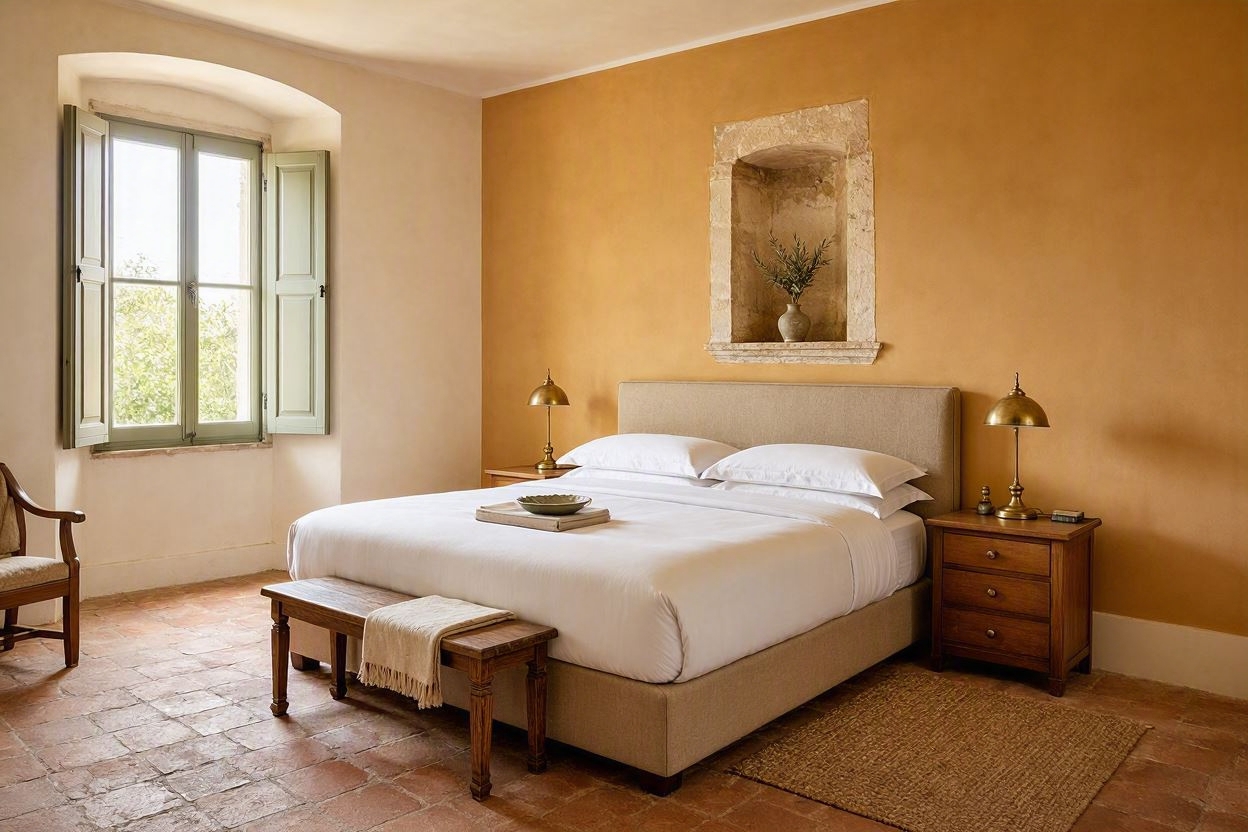
Ideal for couples, small families and medium-term stays. Living area with sofa bed, double bedroom, equipped kitchen, laundry, balcony or private terrace created within the original structure.
Type B
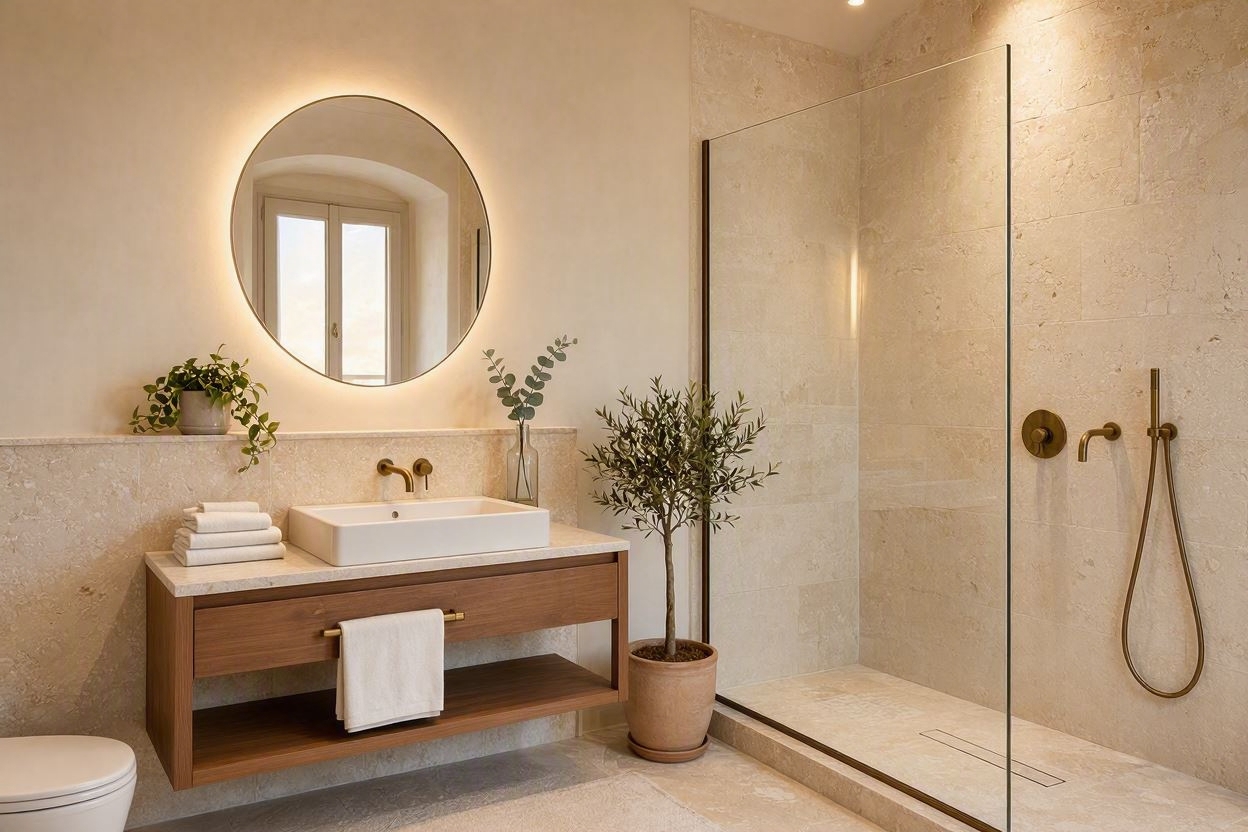
Designed for families, groups of friends and extended stays. Two bedrooms, two bathrooms, a spacious living area, full kitchen and private outdoor spaces, inserted within the architectural recovery of the building.
7 · Gallery
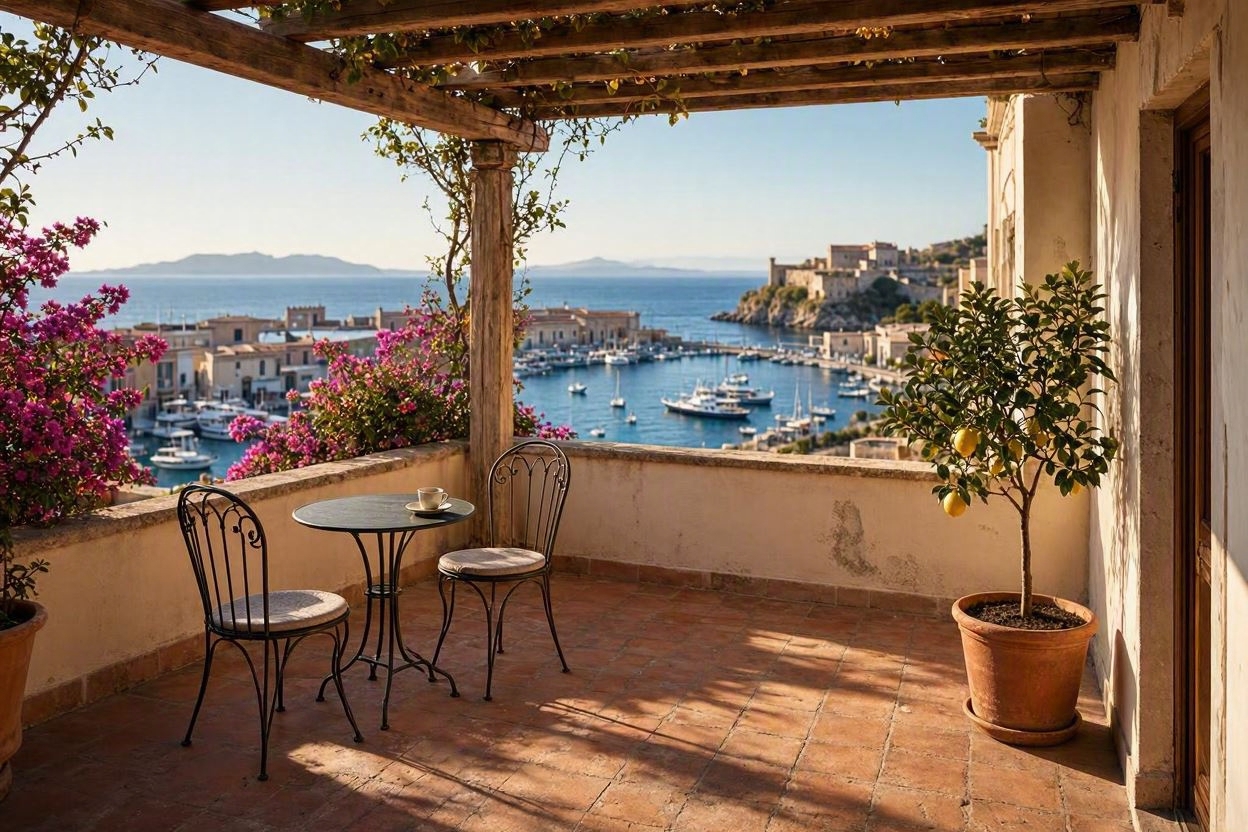
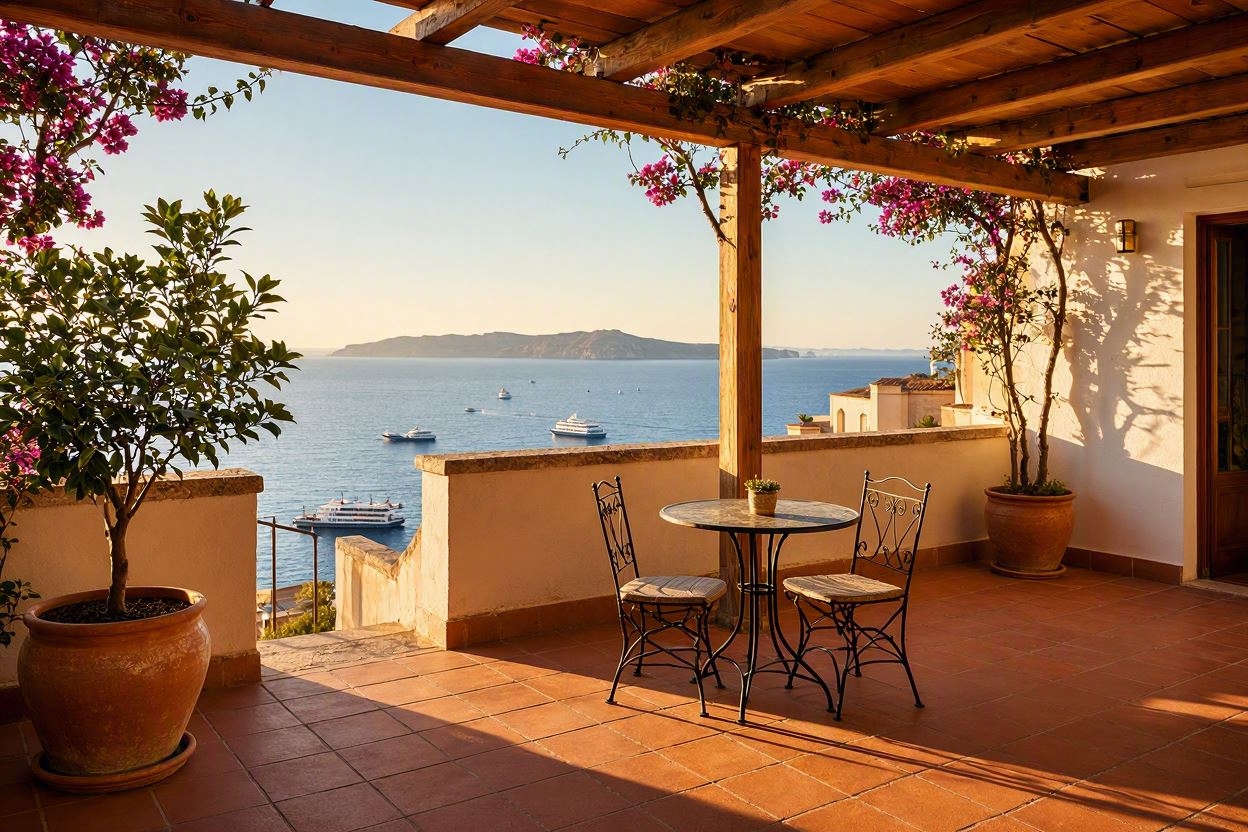
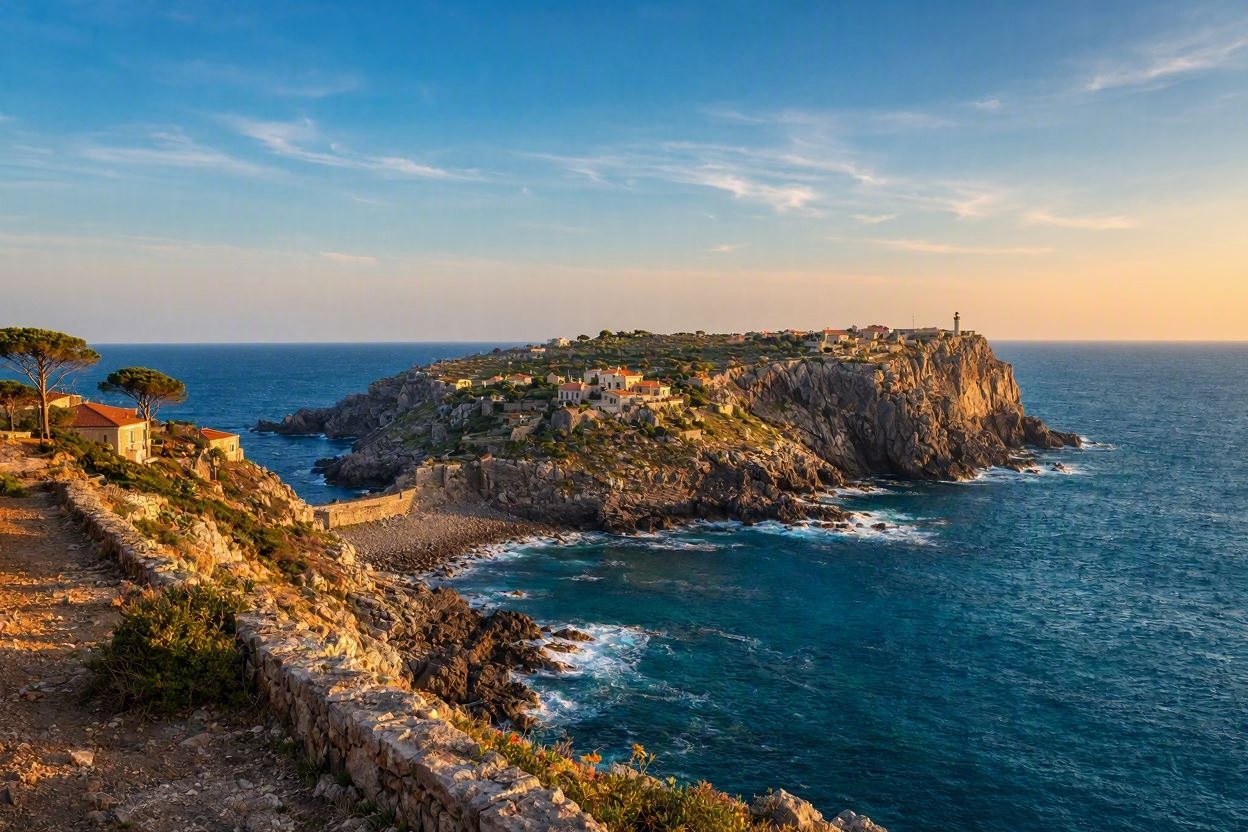
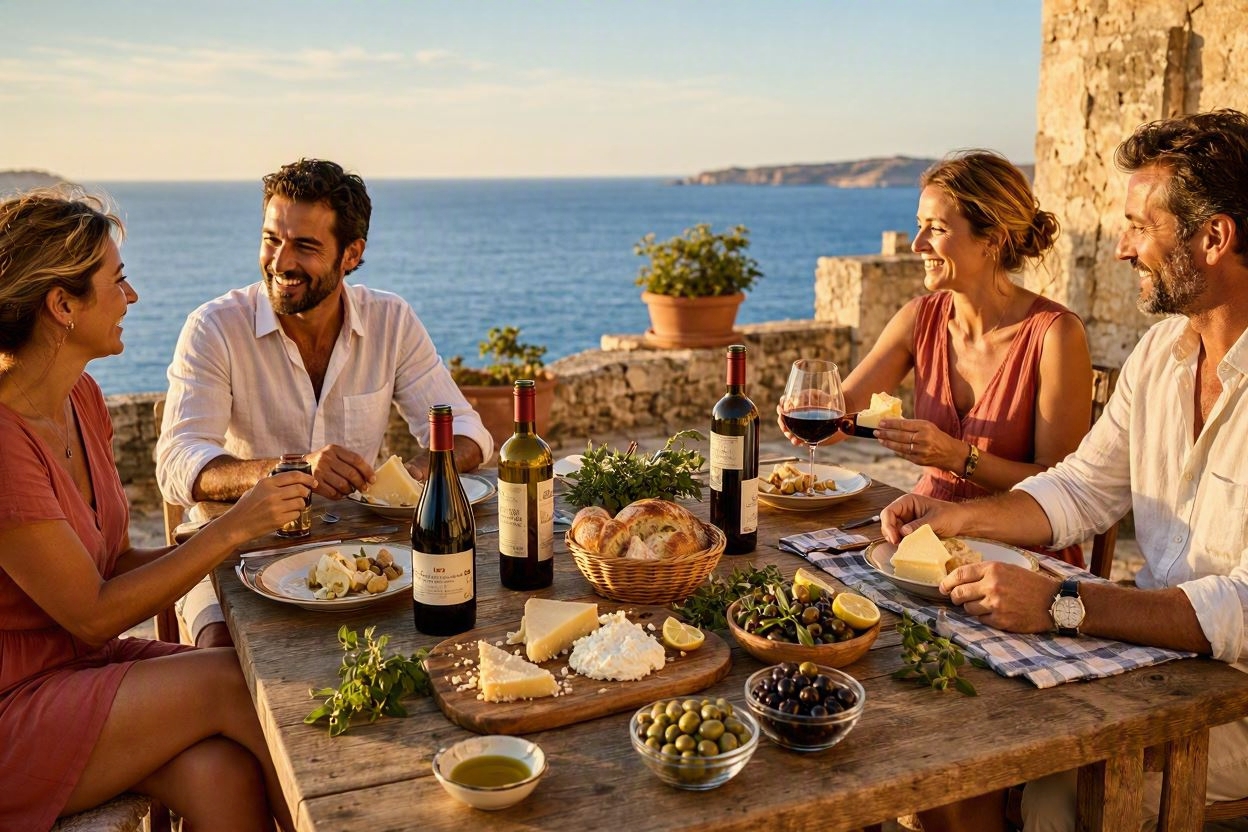
The images tell the story of the historic building, the architectural recovery and the context of the Sicilian Tyrrhenian coast.
8 · Human Resources and Organisation
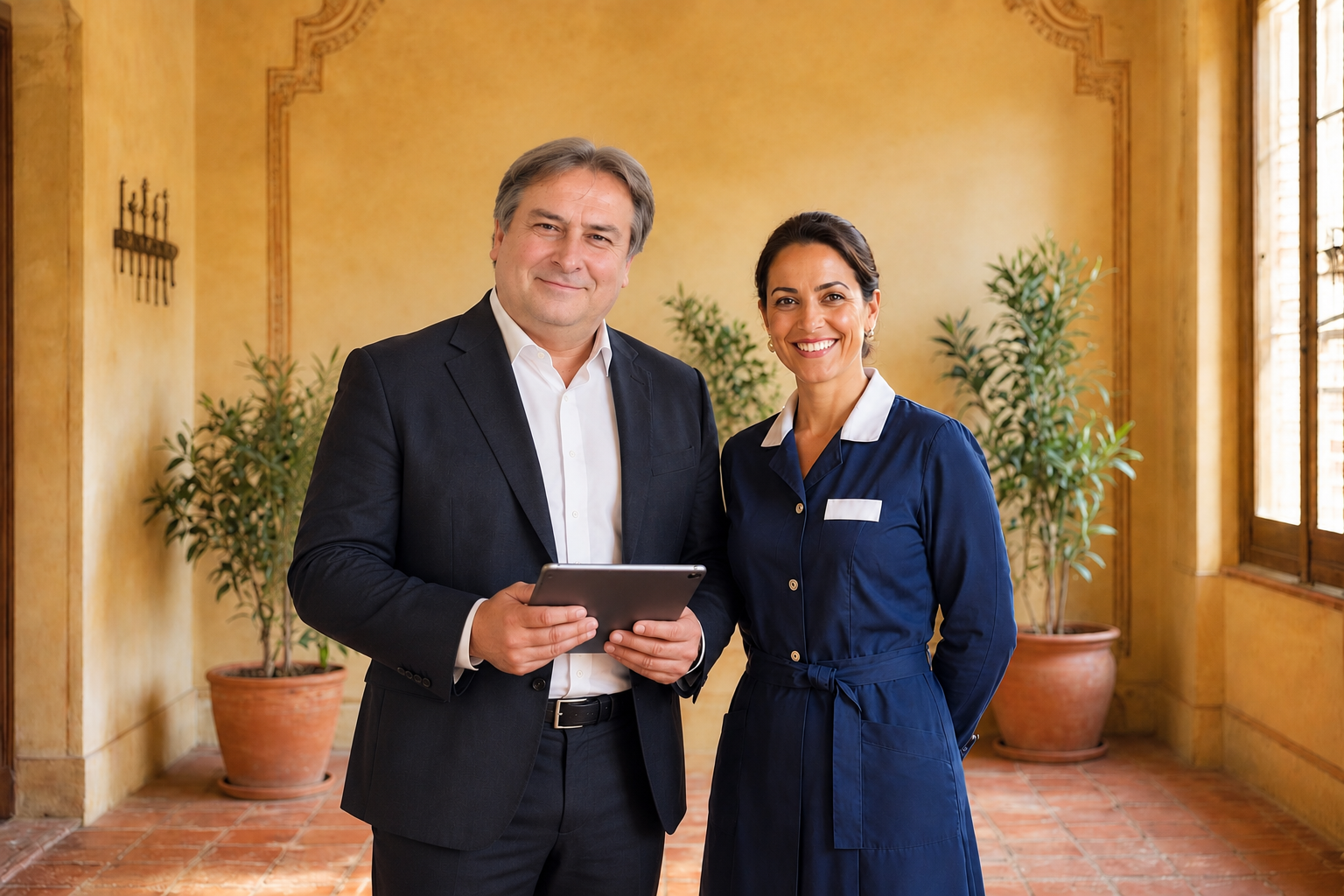
Thanks to process automation, the structure requires a limited number of resources, with constant coverage for cleaning, maintenance and guest assistance.
9 · Marketing and Sales Channels
Influencers
Micro-influencers in travel and smart working
Social
Instagram and TikTok with local storytelling
Local SEO
Keywords: residence, holiday apartments, Tyrrhenian coast
Local
Google Business Profile and geofencing
10 · Sustainability
Sustainability is integrated into the design, daily management and guest experience. The recovery of the historic building is, in itself, an act of environmental and cultural sustainability.
Photovoltaic panels for self-consumption, LED lighting and smart consumption management per unit, with automatic reduction when the unit is empty.
Low-flow taps, water-leak sensors and rainwater recovery systems for irrigation of outdoor spaces.
Separate waste collection in each unit, composting of organic waste and reduction of single-use plastic throughout the facility.
Reuse of an existing building: no new land consumption, reduced carbon footprint compared to new construction, preservation of the built heritage.
E-bike and e-scooter rental, agreements with sharing services and promotion of pedestrian and cycling itineraries.
Collaboration with local producers, experiential guides and food-and-wine packages that enhance the cultural heritage of the area.
11 · Regulatory Framework
12 · Risks and Mitigations
Mitigation: medium-term stays for smart workers, corporate agreements, low-season packages.
Mitigation: dynamic pricing, multi-channel presence (OTA + direct), last-minute campaigns.
Mitigation: preliminary technical due diligence, design with restoration experts, early dialogue with the Superintendency, contingency budget.
Mitigation: direct channel development, loyalty programme, direct booking incentives.
Mitigation: predictive maintenance, reliable suppliers, contingency plans with backup physical key.
Mitigation: proactive review management, rapid feedback response, continuous quality control.
13 · Implementation Roadmap
A path of approximately 16–18 months — longer than new construction due to authorisations on historic heritage — from company incorporation to operational launch.
Phase 1 · Months 0–2
Incorporation of the S.R.L., analysis of the historic building, technical, planning and administrative due diligence.
Phase 2 · Months 2–6
Architectural and systems design, dialogue with the Superintendency, obtaining permits, SCIA submission.
Phase 3 · Months 6–14
Conservative recovery intervention, system installation, furniture installation and apartment set-up.
Phase 4 · Months 12–15
Installation of PMS, Channel Manager, self check-in terminal, smart locks and guest app. Pre-opening campaigns and OTA channel activation.
Phase 5 · Months 15–16
Official opening of the residence and launch of operations with the selected team.
Phase 6 · Years 2–3
Occupancy growth, brand consolidation and revenue optimisation.
14 · Conclusions
The residence precisely intercepts the evolution of non-hotel tourism: guest autonomy, remote management, digital experience and stay flexibility. All within a recovered historic building, which becomes an integral part of the story and the experience.
A model that unites the value of architectural heritage with the functionality of contemporary technology, requires contained investments, produces interesting margins and adapts rapidly to fluctuations in demand.